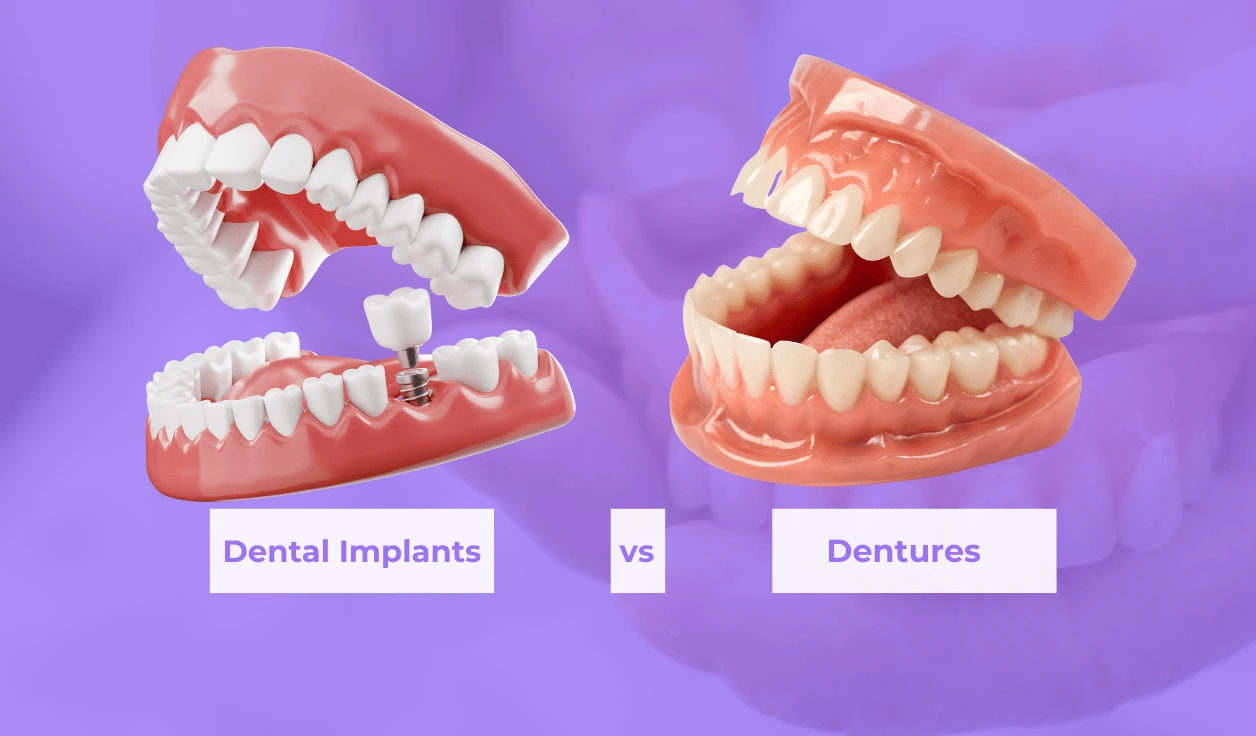
Dental implants vs dentures comparison showing stability, chewing ability, and long-term bone health differences

Implants vs. Dentures: The Truth No One Tells You

circlecircle

Tooth loss affects more than just your smile—it impacts how you eat, speak, and feel about yourself. When deciding between dental implants and dentures, most people hear the basic advantages, but very few sources explain the real, long-term differences that patients actually live with every day.

This guide gives you a clear, honest comparison without skipping important realities. We cover what each option really is, how they differ in daily life, the biggest advantages and drawbacks, the often-overlooked bone-health factor, and how to think about which one might suit you best.

What Are Dental Implants?

Dental implants are designed to act like natural tooth roots. A small titanium post is surgically placed into the jawbone. Over several months, the bone grows around and fuses with the post in a process called osseointegration. Once stable, an abutment is attached and a custom-made crown, bridge, or full-arch restoration is secured on top.
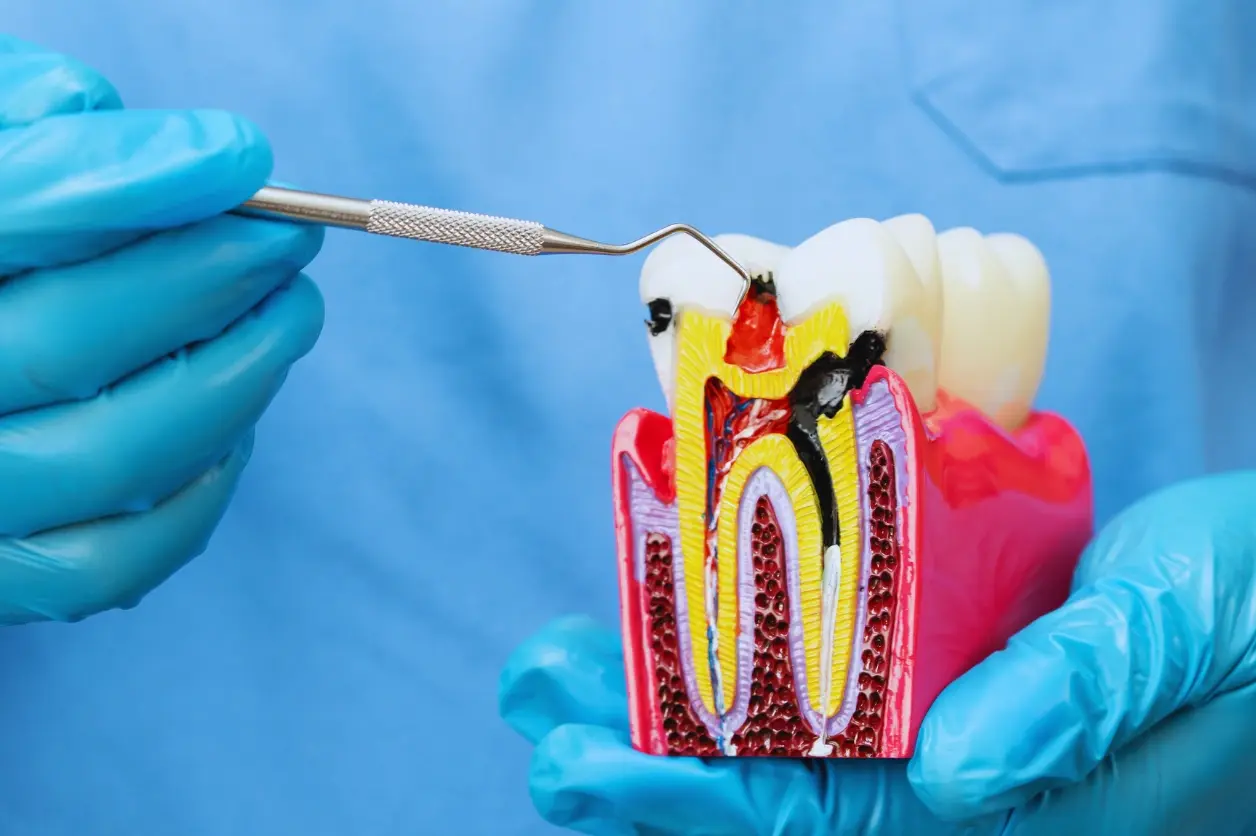
Dental implant replacing a missing tooth, fixed in the jawbone for natural look, strong bite, and long-term bone support

The result is a fixed, non-removable replacement that looks, feels, and functions very close to real teeth. Implants can replace a single missing tooth, several teeth, or an entire arch (common systems include All-on-4® or All-on-6® for full-mouth cases).

What Are Dentures?

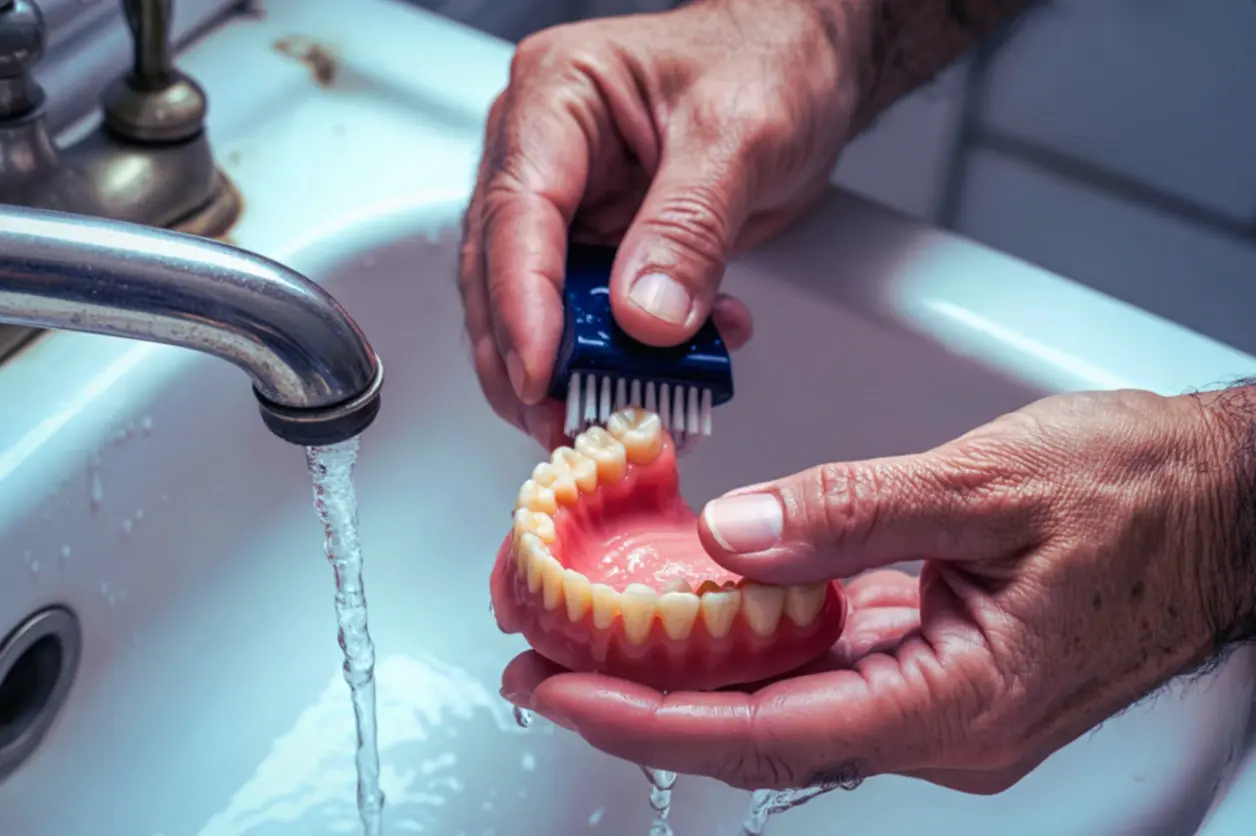
Dentures are removable prosthetic appliances that replace missing teeth and the surrounding gum tissue.
  • Complete dentures replace all teeth in the upper or lower jaw.
  • Partial dentures fill in gaps when some natural teeth are still present, usually held in place with metal clasps or precision attachments.
Removable dentures replacing missing teeth, designed to restore smile and basic chewing function

Traditional dentures rest directly on the gums. Implant-supported dentures (also called overdentures or snap-in dentures) clip onto a small number of implants, offering much better stability while still being removable for cleaning.

How They Compare in Real Life

Here are the most noticeable differences patients report after living with each option:

  • Stability Implants → Stay completely in place—no movement while eating, speaking, or laughing. Dentures → Can shift, click, or lift, especially on the lower jaw; many people need adhesive to feel secure.
  • Chewing Ability Implants → Restore 85–95% of natural biting force; most people eat almost anything comfortably. Dentures → Often reduce chewing power to 20–50%; hard, crunchy, or sticky foods become difficult or avoided.
  • Comfort & Sensation Implants → Feel like your own teeth; no bulky plastic covering the roof of the mouth (for upper cases). Dentures → Can cause sore spots, pressure points, reduced taste sensation, or a gagging reflex in some people.
  • Daily Routine Implants → Brush and floss just like natural teeth—no special steps. Dentures → Must be removed every night, soaked in cleaner, and cleaned separately; food can get trapped underneath during the day.
  • Long-Term Durability Implants → With good care, many last 15–25 years or even a lifetime. Dentures → Typically need relining every few years and full replacement every 5–10 years as the mouth changes.

The Real Advantages and Drawbacks

Dental Implants – What Patients Love

  • No slipping or worry about them coming out in public
  • Ability to bite into apples, steak, corn on the cob without restriction
  • Preservation of jawbone (prevents facial sagging and premature aging look)
  • Natural appearance and speech—no lisping or clicking sounds
  • High long-term satisfaction and confidence boost

Dental Implants – The Challenging Parts

  • Involves surgery and a healing period of several months
  • Requires enough healthy jawbone (sometimes needs extra procedures like bone grafting)
  • Not suitable for everyone (certain medical conditions or habits can affect success)

Dentures – What Patients Appreciate

  • Non-surgical and usually completed much faster
  • More affordable starting point for many people
  • Can be adjusted or remade relatively easily over time
  • Good solution when many or all teeth are missing

Dentures – The Frustrations That Build Over Time

  • Ongoing instability and need for adhesives
  • Progressive bone shrinkage under the denture, causing looseness and frequent refits
  • Dietary limitations that affect enjoyment of meals
  • Nightly removal and cleaning routine
  • Gradual change in facial appearance due to bone loss (sunken cheeks, collapsed lips)

Many people begin with dentures because they are quicker and less expensive, but a significant number later switch to implants after experiencing years of discomfort, poor fit, and dietary frustration.

Why Jawbone Health Is the Deciding Factor Few Talk About

When natural teeth are lost, the jawbone no longer receives stimulation from chewing forces. Over time it shrinks (a process called resorption).

  • Dentures sit on top of the gums and actually speed up this bone loss because they do not transfer force to the bone.
  • As bone shrinks, dentures become looser, the face can look older, and more adjustments or even bone-grafting procedures may be needed later.

Dental implants are the only common tooth-replacement option that acts like a natural root. The titanium post transmits chewing pressure directly into the bone, helping maintain bone volume and facial structure for many years.

This single difference is why implants are often called the “gold standard” for tooth replacement by dentists who focus on long-term oral health.

Which Option Might Be Right for You?

Consider dental implants if you want:

  • A permanent, natural-feeling solution
  • The ability to eat most foods without worry
  • To protect your jawbone and facial appearance long-term
  • Maximum confidence in social and everyday situations

Consider conventional dentures if you need:

  • A faster, non-surgical path
  • A more budget-friendly starting point
  • A reversible option while you decide on next steps

Consider implant-supported dentures if you want a middle ground:

  • Much better stability than traditional dentures
  • Less bone loss compared to conventional dentures
  • Still removable for easy cleaning

The right choice depends on your oral health, bone condition, lifestyle, and personal priorities. A thorough exam with X-rays and a detailed discussion with an experienced dentist is the only way to know for sure.

At Main Street Dental in Vista, CA—consistently rated 5 out of 5 stars—we guide patients through these exact decisions every day. Our team provides gentle, personalized care across general dentistry, cosmetic treatments, restorative work including implants and dentures, and emergency services.

Whether you’re just starting to explore options or ready to move forward, we’re here to listen and explain everything clearly—no high-pressure sales.

Call us at (760) 295-9870
1830 Hacienda Dr. Suite #1, Vista, CA 92081

Your smile deserves a solution you’ll love living with for years to come. Let’s find the truth that fits your life.

Your message has been submitted.
We will get back to you soon. For faster service please call (760) 295-9870
Oops! Something went wrong.