
White Fillings

Tooth-Colored White Fillings Designed to Preserve Strength and Natural Appearance
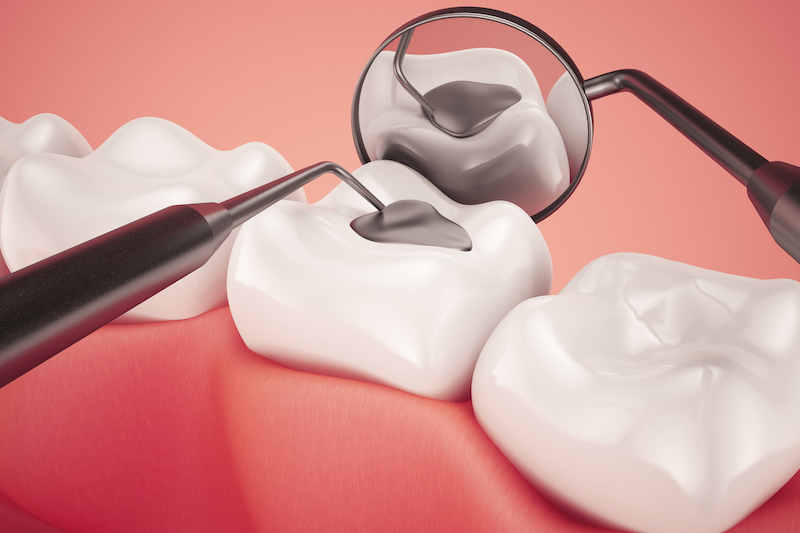
White fillings, also known as composite or tooth-colored fillings, are restorative materials used to repair teeth affected by decay, fractures, or minor structural damage. Unlike traditional silver amalgam fillings, white fillings are designed to blend seamlessly with natural enamel while preserving more of the healthy tooth structure.
Patients considering white fillings in Vista often want a solution that restores function without compromising aesthetics. At Main Street Dental, restorative treatment begins with a structured diagnostic evaluation to determine the extent of decay and assess bite forces. The goal is not simply to fill a cavity but to reinforce the tooth in a conservative and long-term manner. For individuals exploring white filling for teeth replacement options, understanding how composite materials function helps clarify their benefits and limitations.
The Clinical Foundation of Composite White Fillings
Composite fillings are made from a blend of resin and fine glass particles. This material bonds directly to the tooth structure, allowing the restoration to integrate with the enamel rather than simply occupy space. Because composite adheres chemically, less healthy tooth structure must be removed compared to older restorative methods.
When decay develops, bacteria erode enamel and dentin, weakening the tooth. A white filling removes infected tissue and restores the area with a bonded material that supports structural integrity. The bonding process strengthens the remaining tooth and helps prevent microleakage.
White fillings for teeth are particularly advantageous in visible areas, including white fillings front teeth, where natural appearance is important. Shade matching ensures the restoration blends with surrounding enamel for a seamless result.
Who Is a Candidate for White Fillings?
White fillings may be appropriate for patients who:
- Have small to moderate cavities
- Have chipped or worn tooth surfaces
- Want to replace old silver amalgam fillings
- Need cosmetic white fillings in visible areas
- Maintain healthy surrounding gum tissue
During consultation, we evaluate the size and location of the cavity, the amount of remaining tooth structure, and the patient’s bite alignment. If decay is extensive, alternative restorations such as inlays, onlays, or crowns may provide better long-term reinforcement.
Conservative planning ensures the selected restoration matches both structural and aesthetic needs.
Benefits of White Fillings
White fillings provide both cosmetic and structural advantages. Their ability to bond directly to enamel allows for a more conservative preparation process, preserving healthy tooth tissue. Because the material is tooth-colored, restorations are virtually indistinguishable from natural enamel.
Composite fillings also expand and contract similarly to natural tooth structure when exposed to temperature changes. This compatibility reduces stress at the margins and lowers the risk of fracture. Additionally, replacing metal restorations with composite may improve overall appearance for patients seeking aesthetic enhancement.
By reinforcing weakened areas while maintaining natural contours, white fillings support long-term oral health.
What to Expect During the White Filling Procedure
The white filling procedure begins with careful removal of decayed tissue under local anesthesia. Once the affected area is cleaned and shaped, the tooth surface is prepared for bonding. A conditioning agent allows the composite material to adhere securely.
The composite resin is applied in layers and hardened using a specialized curing light. Each layer is shaped precisely to match the natural anatomy of the tooth. Final adjustments ensure proper bite alignment and smooth surface texture.
The entire process emphasizes conservative treatment and structural reinforcement. Most white fillings can be completed in a single appointment, allowing patients to resume normal function shortly afterward.
Replacing Metal Fillings with White Fillings
Many patients choose to replace older silver amalgam restorations with white fillings for aesthetic reasons. However, replacement is considered carefully. If an existing filling remains intact and stable, removal may not be necessary.
When replacement is indicated due to leakage, fracture, or recurrent decay, composite materials provide a natural-looking alternative. Structured evaluation ensures that removal does not compromise surrounding tooth structure.
Cosmetic enhancement should always align with functional stability and long-term preservation.
Longevity and Maintenance of White Fillings
White fillings typically last several years, depending on cavity size, location, and bite forces. Posterior teeth subjected to heavy chewing pressure may experience more wear than front teeth. Routine dental checkups in Vista allow early detection of wear or marginal breakdown.
Maintaining good oral hygiene significantly extends restoration lifespan. Regular brushing, flossing, and professional cleanings prevent recurrent decay around filling margins.
When a composite filling shows signs of wear or fracture, timely repair or replacement preserves tooth integrity and prevents more extensive intervention.
Will Teeth Whiteners Whiten Fillings?
A common question is whether teeth whitening treatments affect composite restorations. Teeth whiteners do not change the color of white fillings. Whitening agents act on natural enamel but do not alter composite material.
Patients planning whitening should consult with their dentist beforehand. In some cases, replacing or adjusting visible white fillings after whitening may be necessary to achieve consistent shade matching.
Understanding this distinction helps coordinate cosmetic and restorative treatment effectively.
White Fillings Compared to Other Restorations
Composite fillings are suitable for small to moderate cavities. When decay affects multiple surfaces or compromises cusps, inlays, onlays, or crowns may offer stronger reinforcement.
While composite provides excellent aesthetics, durability depends on case selection and technique. Conservative preparation remains a priority, preserving as much natural enamel as possible.
Selecting the appropriate restoration requires evaluating structural needs rather than focusing solely on appearance.
Cost of White Fillings in Vista, CA
The cost of white fillings in Vista varies depending on cavity size, number of surfaces involved, and complexity of treatment. Dental insurance typically covers restorative fillings when medically necessary.
Transparent consultation provides clarity regarding recommended care and associated costs before proceeding. Financing options may be available if needed. Emphasis remains on preserving natural teeth through timely and conservative treatment.
Serving Vista and Surrounding Communities
Main Street Dental is located at 1830 Hacienda Dr. Suite #1, Vista, CA 92081, conveniently accessible from the CA-78 corridor near Sycamore Avenue. Patients within a 5-mile radius of central Vista, including neighborhoods in 92081, 92083, and 92084, can easily schedule restorative consultations and follow-up appointments.
We also serve individuals traveling from nearby communities within 5–10 miles such as San Marcos, Carlsbad, and Oceanside. For patients coming from Escondido or Encinitas within approximately 15 miles, Highway 78 provides direct access. Proximity supports consistent maintenance and monitoring of restorations.
Why Choose Main Street Dental?
Our restorative philosophy emphasizes:
- Structured diagnostic evaluation
- Conservative cavity removal
- Precision composite layering
- Natural shade matching
- Long-term maintenance planning
White fillings require careful technique and material selection. Each consultation focuses on preserving healthy tooth structure while restoring strength and aesthetics.
Schedule a Consultation for White Fillings in Vista
If you are considering white fillings in Vista, a structured evaluation can determine the most appropriate restorative solution for your tooth.
Main Street Dental
1830 Hacienda Dr. Suite #1
Vista, CA 92081
(760) 295-9870
Our focus is conservative, precision-guided restorative care designed to preserve natural tooth structure and maintain long-term oral health.
Main Street Dental Is A Top Rated Cosmetic Dentist.

FOR A LIMITED TIME, MAIN STREET DENTAL IS OFFERING ABSOLUTELY FREE COSMETIC DENTISTRY CONSULTATIONS!
As an added benefit, our office is pleased to offer easy, NO INTEREST financing that enables you to extend your payments over a period of time.
Treat Now, Pay later with Cherry & Main Street Dental Vista, CA.
Affordable dental plans now offered through Cherry financing


