

A root canal is a procedure that removes infected or irreversibly inflamed pulp from inside a tooth, cleans and disinfects the canal system, and seals it to prevent reinfection. It is typically recommended when pulp inflammation cannot heal on its own—most often due to deep decay, cracks, or trauma. Modern root canal therapy is performed under local anesthesia and is designed to relieve pain, not cause it. Mild soreness after treatment is common and usually resolves within a few days. Long-term success depends on proper canal disinfection and placement of a protective final restoration—often a crown. When restored appropriately, a root canal–treated tooth can function for many years and helps preserve natural bone and alignment.
At Main Street Dental in Vista, patients often arrive concerned that a root canal will be painful or complicated. In reality, root canal therapy is a biologically conservative procedure designed to eliminate infection while preserving your natural tooth.
To understand why a root canal is necessary—and why timing matters—it helps to understand what happens when the inner pulp becomes irreversibly inflamed. This guide explains when a root canal is recommended, what the procedure involves step by step, how recovery progresses, and how long-term stability is maintained.
A root canal (endodontic therapy) is the removal of infected or irreversibly inflamed pulp tissue from within a tooth. The pulp contains nerves, blood vessels, and connective tissue that support tooth development. In mature teeth, it is no longer essential for function.
After pulp removal, the canal system is:
The objective is infection control and structural preservation.
Tooth infection does not occur suddenly. It progresses in stages.
Initially, decay penetrates enamel and dentin. When bacteria reach the pulp chamber, inflammation begins. In early stages (reversible pulpitis), removal of decay may allow healing. However, once inflammation becomes irreversible, pressure builds within the confined pulp space.
This leads to:
As pulp tissue dies, bacteria extend beyond the root tip, creating a periapical lesion in the surrounding bone. This can form an abscess if untreated.
Root canal therapy interrupts this pathway by removing infected tissue and eliminating bacterial reservoirs.
Common causes of irreversible pulp damage include:
Deep untreated caries
Cracked tooth syndrome
Repeated restorations weakening structure
Traumatic injury
Large failing fillings
Indications are based on symptoms plus diagnostic findings—not discomfort alone.
Symptoms may include lingering heat sensitivity, spontaneous throbbing, swelling, or tenderness to pressure. However, some necrotic teeth are asymptomatic and discovered on routine radiographs.
Contraindications may include:
Non-restorable fracture
Severe vertical root fracture
Advanced periodontal bone loss compromising prognosis
In such cases, extraction may be considered instead.
Temporary post-filling sensitivity differs from irreversible pulpitis. Reversible inflammation typically subsides within days. Irreversible pulpitis presents with prolonged pain after stimulus removal or spontaneous episodes.
Diagnosis relies on clinical testing and radiographic evaluation—not assumption.
Evaluation is appropriate if pain persists beyond several days, interrupts sleep, or is accompanied by swelling. Early intervention prevents progression to abscess formation.
Diagnosis involves:
Thermal testing to assess pulp vitality
Percussion testing for ligament inflammation
Electric pulp testing when indicated
Periapical radiographs
Occasionally CBCT imaging for complex anatomy
The goal is to confirm irreversible pulp involvement and rule out cracks or periodontal causes.
The procedure is structured and precise.
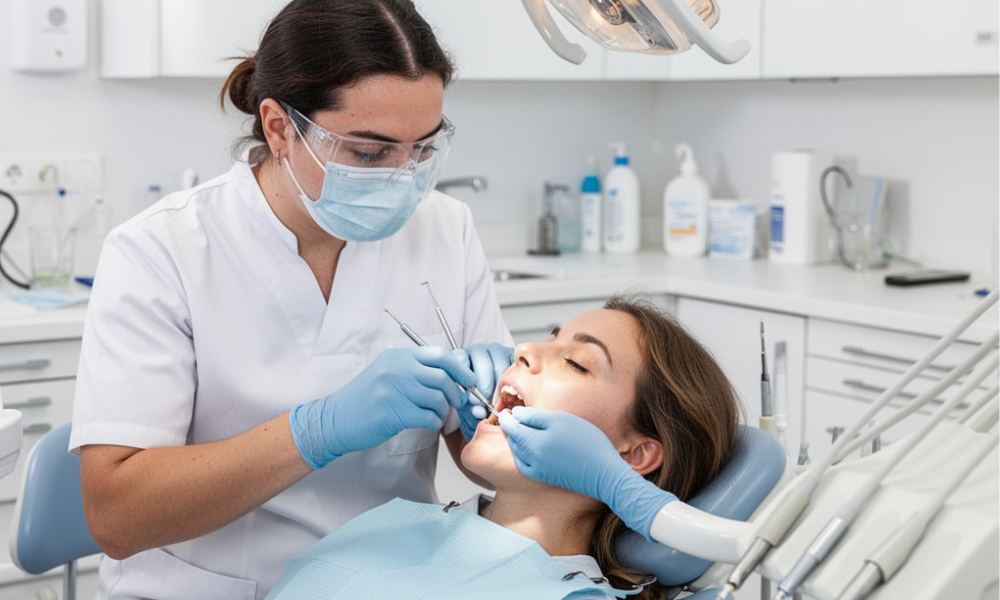
First, local anesthesia ensures patient comfort. A rubber dam isolates the tooth, preventing contamination. An access opening is created to reach the pulp chamber.
Next, small endodontic instruments are used to negotiate and shape the canal system. Sodium hypochlorite irrigation dissolves organic tissue and disinfects internal surfaces. EDTA may be used to remove the smear layer and improve canal cleanliness.
Once cleaned and shaped, canals are dried and filled with gutta-percha and sealer to create a hermetic seal. The access cavity is temporarily or permanently restored.
The procedure typically takes 60–90 minutes per visit depending on canal complexity.
Modern anesthetics make root canal therapy comparable in comfort to routine restorative treatment. Pain relief often begins immediately once infected pressure is relieved.
Postoperative soreness typically reflects ligament inflammation rather than pulp pain.
While success rates are high, potential risks include:
Persistent infection due to missed canals
Instrument separation
Perforation
Postoperative flare-up
These risks are minimized with proper technique and follow-up.
Most patients experience mild soreness for 2–3 days. Chewing sensitivity may persist slightly longer.
Bone healing at the root tip can take several months but typically progresses without symptoms. Follow-up imaging may confirm lesion resolution over time.
After root canal therapy, the tooth becomes more brittle. Placement of a crown redistributes occlusal forces and protects remaining structure.
The ferrule effect—having sufficient tooth structure above the gumline—improves fracture resistance and long-term survival.
Failure to place a crown increases fracture risk significantly.
When deciding between a root canal and tooth extraction followed by a dental implant, several clinical factors influence the recommended treatment approach. Each option has advantages depending on the condition of the tooth, surrounding bone support, and long-term oral health goals.
A root canal preserves the patient’s natural tooth. During the procedure, the infected or inflamed pulp is removed, the root canals are disinfected, and the tooth is sealed. In most cases, a dental crown is placed afterward to strengthen the remaining structure. Because the natural tooth root remains in the jawbone, bone levels around the tooth are typically maintained.
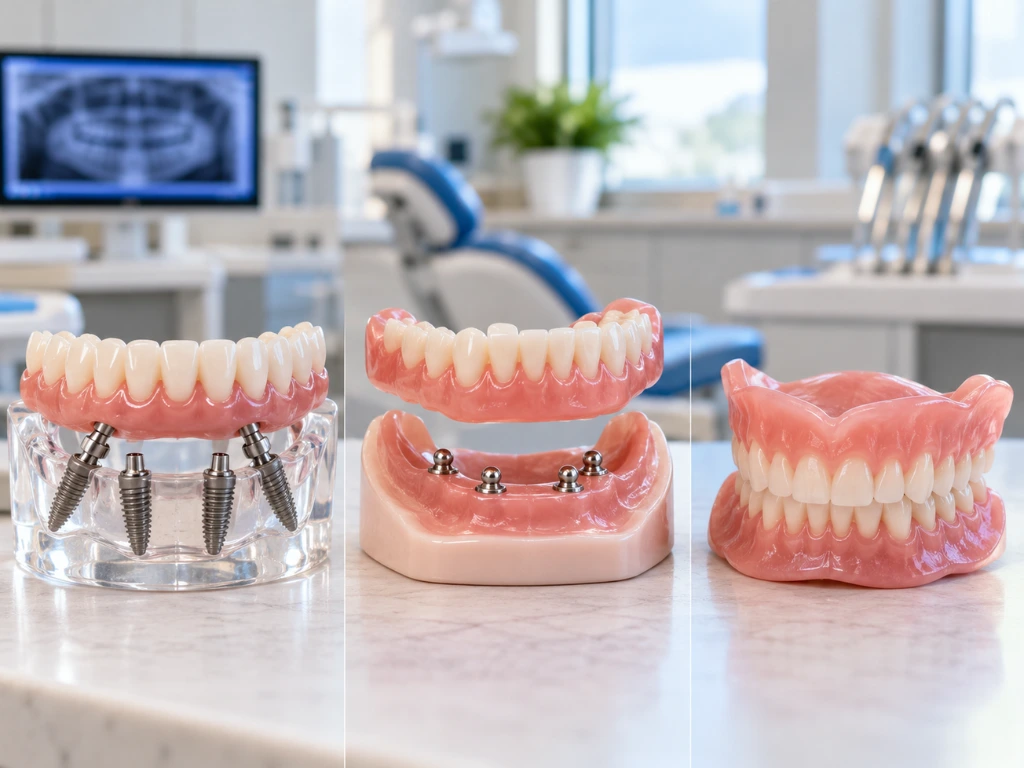
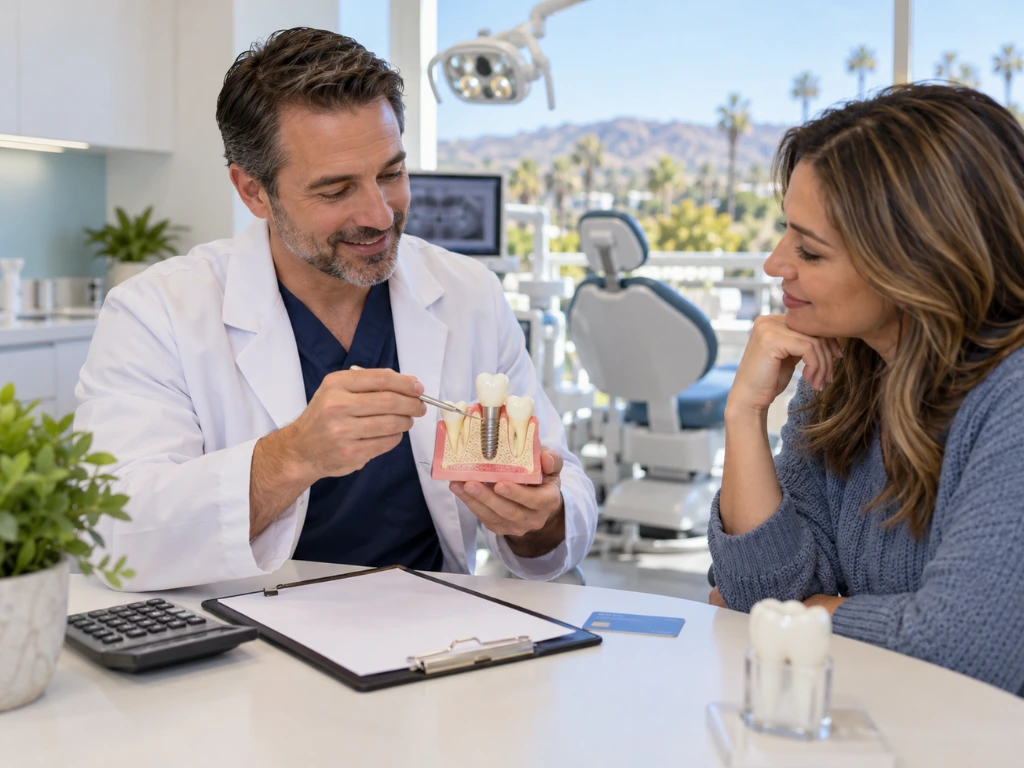
An extraction followed by a dental implant removes the natural tooth entirely. After extraction, a titanium implant is placed into the jawbone to replace the missing root. In some situations, bone grafting may be required before or during implant placement to ensure adequate support. This process usually involves a longer overall treatment timeline because the bone must heal and integrate with the implant before the final crown can be placed.
From a treatment perspective, root canals are generally less surgically invasive and typically involve shorter treatment timelines compared to implant therapy. Implant procedures involve surgical placement and healing phases that can extend treatment over several months.
Both treatments have high long-term success rates when performed under appropriate clinical conditions. However, when the tooth structure is still salvageable, preserving the natural tooth with a root canal is often considered the most conservative and biologically favorable option.
In most cases, maintaining natural tooth structure is preferred whenever it is clinically feasible.
Antibiotics do not cure pulp infection inside a sealed tooth. They may temporarily reduce swelling but cannot eliminate the source.
Root canal therapy physically removes infection; antibiotics are adjunctive only when systemic involvement exists.
Is a root canal painful?
Modern anesthesia makes the procedure comfortable.
How long does recovery take?
Most soreness resolves within a few days.
Will I need a crown?
In most cases, yes, to prevent fracture.
Can a root canal fail?
Retreatment may be required if reinfection occurs.
Is extraction better?
Preserving natural teeth is typically preferable when structurally feasible.
Dr. Daniel Javaheri, graduate of New York University College of Dentistry and clinician at Main Street Dental, emphasizes that root canal therapy is a preservation-focused procedure. With extensive experience in restorative dentistry and research publication participation through the National Institute of Health and UC Davis Medical Center, he prioritizes early diagnosis and precise canal disinfection to improve long-term outcomes. In his clinical view, untreated pulp infection carries greater risk than the procedure itself. Proper restoration following therapy significantly enhances structural longevity and functional stability.
.webp)